China-Saudi Arabia Cooperation in Promoting Multi-modal Transportation Energy Transition for Decarbonization and Climate Change Mitigation
User-based Transportation Energy and Carbon Emission Projection with Artificial Intelligence Methods
Challenges
The transportation sector significantly contributes to global energy consumption and greenhouse gas (GHG) emissions, challenging the achievement of the Paris Agreement's decarbonization goals. Progress toward sustainable mobility is further hindered by a fragmented understanding of alternative fuel technologies across transportation modes, with uncertainties regarding their cost-effectiveness, scalability, and compatibility with regional infrastructure and consumer preferences. This limits the ability to address the interdependencies between technological innovation, supply chain dynamics, and GHG emission pathways.
This project develops AI-powered modeling tools to integrate micro-level, multi-source big data, encompassing behavioral, infrastructural, and technological factors, to systematically quantify the energy market and GHG impacts of evolving transportation technologies like electrification and hydrogen propulsion across road, maritime, and aviation. The frameworks identify scalable transition pathways and optimize decarbonization strategies and equitable resource allocation for both the Chinese and the Middle East regions, thereby advancing the global transition to net-zero transportation systems.
Towards a Solution
Towards a Global Low-Carbon Transportation Solution
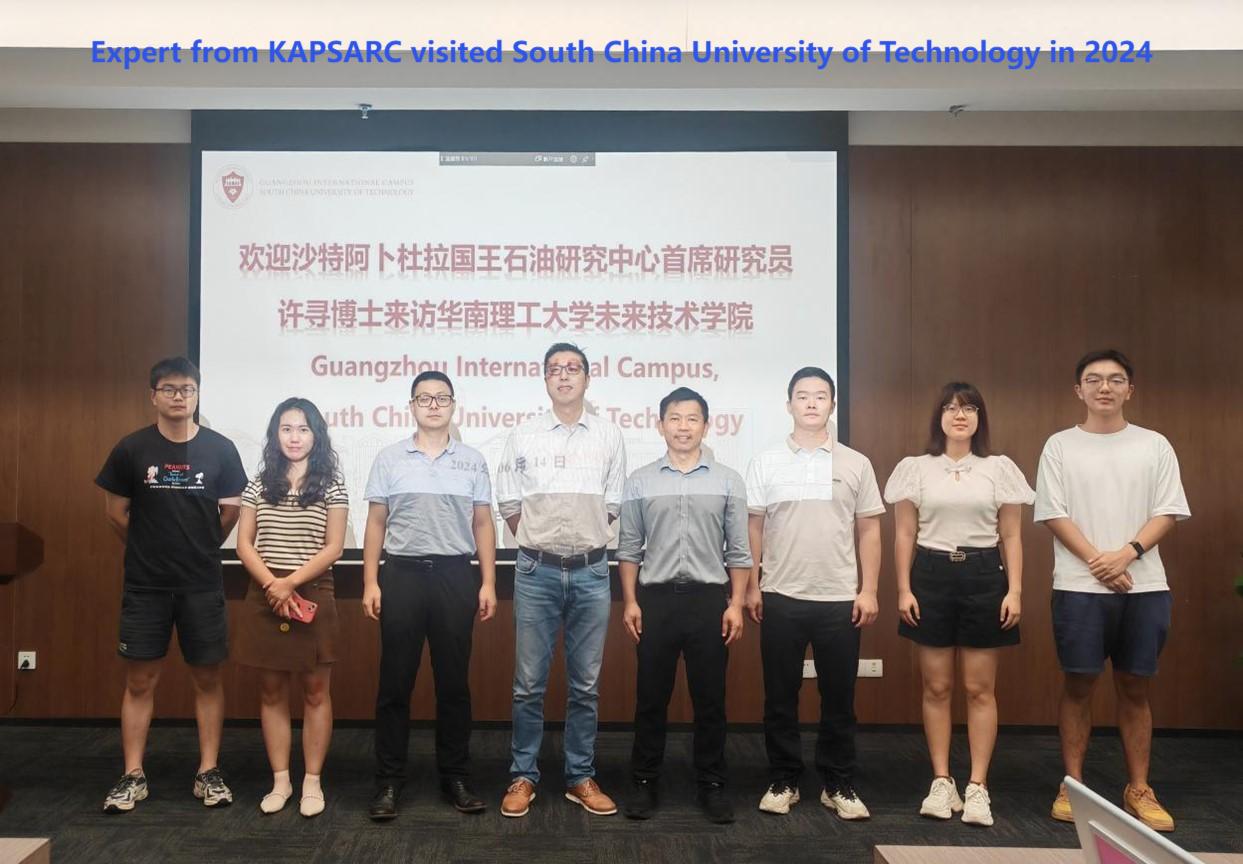
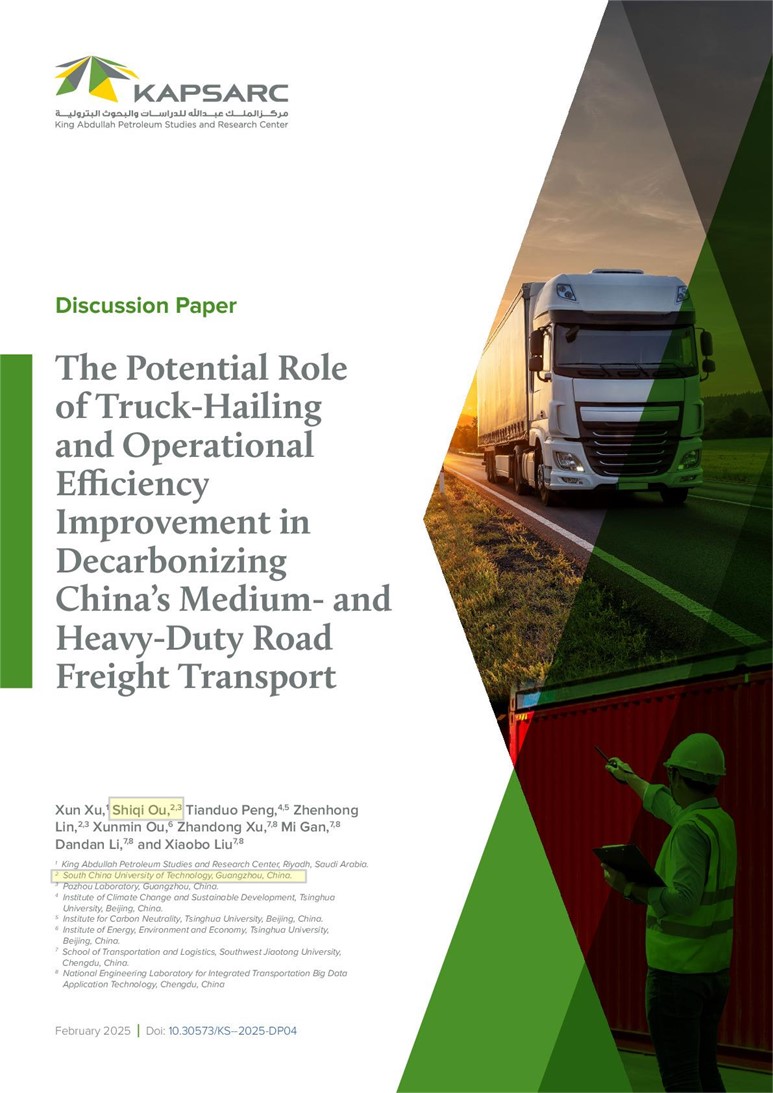
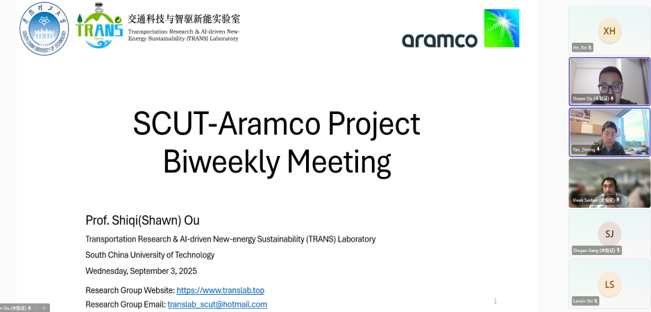
This China-Saudi collaboration, jointly led by the South China University of Technology (SCUT), Saudi Aramco—one of the world’s largest energy companies, and the KAPSARC—one of the most important advisory think tanks for Saudi Arabia in energy sector, addresses one of the most urgent climate challenges: decarbonizing the multimodal transportation sector. The initiative aims to evaluate the cost-effectiveness of alternative fuel technologies, integrate comprehensive energy system analyses across road, maritime, and aviation transport, and assess the implications of greenhouse gas (GHG) emissions on global supply chains and net-zero ambitions.
Aligned with the United Nations Sustainable Development Goal (SDG) 7, the project contributes directly to efforts to significantly increase the share of renewable energy (SDG 7.2) and double the rate of energy efficiency improvement globally (SDG 7.3). By focusing on the transition of transportation, a traditionally hard-to-abate sector, towards sustainable energy solutions, this initiative supports the global shift to a cleaner, more efficient energy future.
Multi-Level, Multi-Sector Modeling Methodology
To pave the way for low-carbon transportation pathways, the project establishes an integrated quantitative modeling framework that bridges micro- and macro-level perspectives. At the micro level, the framework captures detailed behaviors such as consumer vehicle choices, technology adoption rates, and mode-specific energy use. These insights are then aggregated to assess broader national and global energy system impacts.
The model spans multiple transportation modes—including road vehicles, maritime shipping, and aviation—and is designed to be regionally adaptable. Initial calibration focuses on transport energy dynamics in China and Saudi Arabia, offering a robust comparative platform. Future extensions will expand to other developing regions, including the Middle East, sub-Saharan Africa, and Latin America.
Advanced modeling tools for the transport sector are developed to incorporate dynamic variables such as policy impacts, technological innovation, and consumer behavior. These tools will generate technology diffusion models for battery electric vehicles, hydrogen fuel cell vehicles, and other alternatives, while accounting for hidden costs and operational feasibility. In the maritime and aviation sectors, data-driven frameworks will evaluate alternative fuels, route efficiencies, and environmental metrics to identify scalable low-carbon technologies.
By integrating these sector-specific models into a cohesive analytical system, the project will quantify the systemic effects of key developments, such as the rise of electric vehicles, sustainable aviation fuels, or more efficient shipping, on energy demand and emissions at both regional and global scales. This comprehensive approach enables the simulation of future scenarios, from conservative trends to aggressive decarbonization strategies.
Participatory International Collaboration
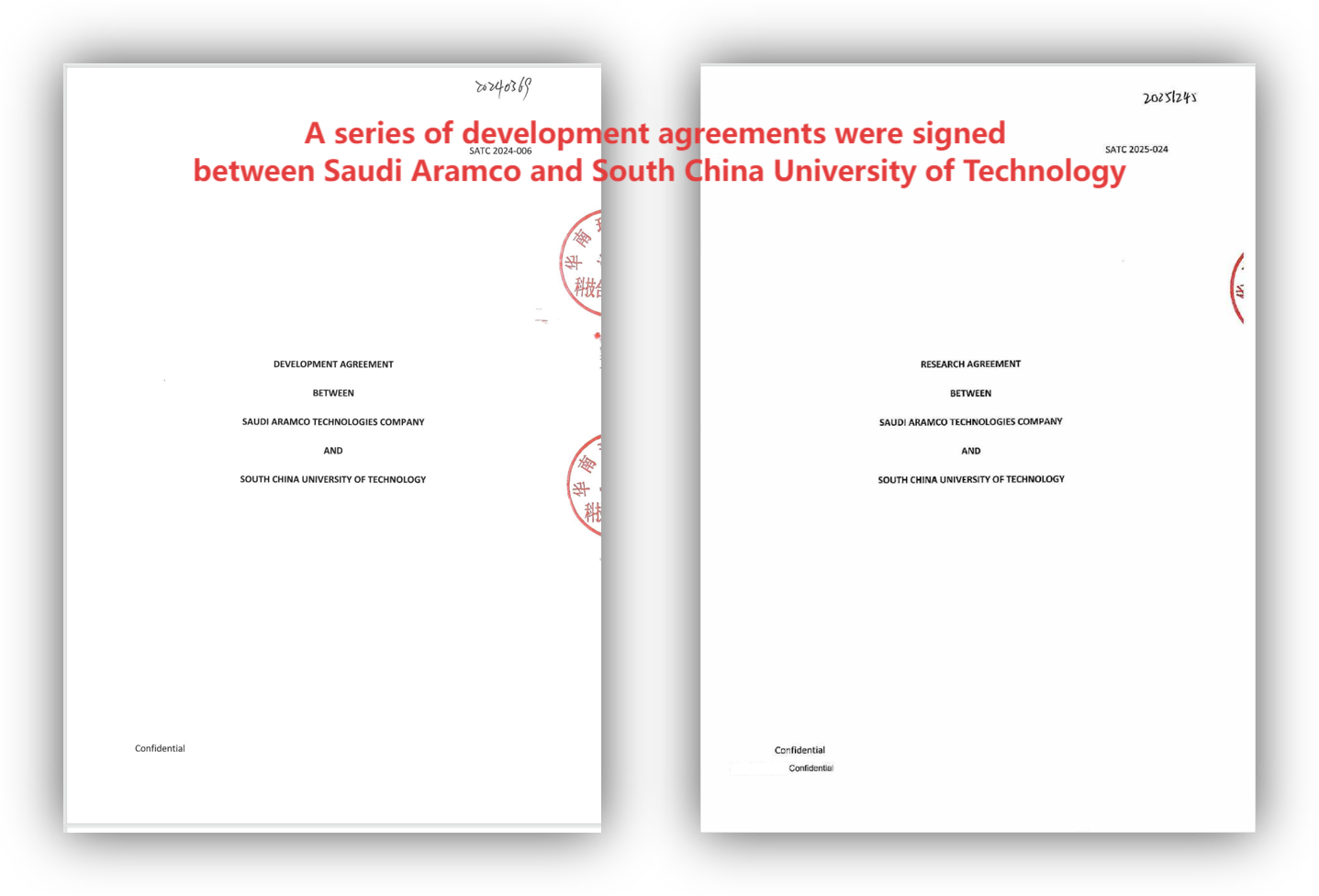
This collaboration brings together SCUT from China with Saudi Aramco and KAPSARC from Saudi Arabia in a strategic partnership, respectively. Financial support from Saudi Aramco underpins a $450,000 USD contract (April 2024–April 2027) and an additional $300,000 USD contract under negotiation with SCUT. Meanwhile, collaboration between SCUT and KAPSARC is supported by the China-Saudi Arabia Green Low-Carbon Energy Joint Laboratory, under the Key R&D Program of China’s Ministry of Science and Technology (International Science and Technology Cooperation category).
The collaboration adopts a tripartite collaboration model, linking government, industry, and academia. SCUT leads the technical research and development, Saudi Aramco contributes to the technological application through the research outcomes, and KAUST contributes to the government policy analysis. Together, these institutions promote the sharing of expertise and the integration of historical research data, enhance existing modeling tools, and optimize resource deployment based on regional characteristics.
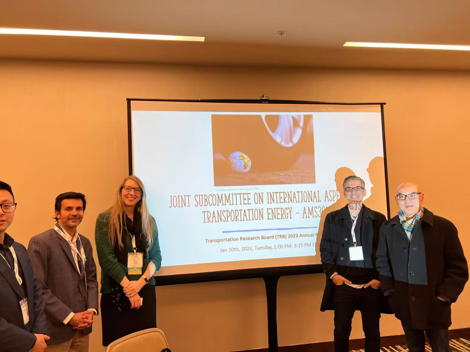
This partnership also fosters academic exchange and talent development. SCUT and Saudi institutions co-supervise doctoral and master’s students, cultivating a new generation of professionals in low-carbon energy and environmental protection. Bilateral visits are planned one to two times annually, and joint academic events, including a special session at the COTA International Conference of Transportation Professionals in Summer 2025, will facilitate broader knowledge dissemination.
Ultimately, the China-Saudi collaboration’s deliverables—including datasets, modeling tools, and policy-relevant publications—are expected to inform Saudi Aramco’s strategic energy goals while providing replicable, evidence-based solutions for other developing nations. By merging academic rigor, industrial insight, and policy relevance, this collaboration offers a scalable and actionable model for advancing low-carbon transformation in the global transportation sector.

Contact Information
Shiqi O, Professor, South China University of Technology
Countries involved
China, Saudi Arabia
Nominated By
South China University of Technology
Supported By
South China University of Technology
Implementing Entities
South China University of Technology, Saudi Aramco, KAPSARC
Project Status
Ongoing
Project Period
4/2024 - 7/2027
Sectors
Education, Science, Technology & Innovation, Sustainability and Environment, Development Cooperation, Climate Change
URL of the practice
https://www.translab.top/index.php/en/translab-english/Primary SDG
07 - Affordable and Clean Energy
Secondary SDGs
07 - Affordable and Clean Energy
Primary SDG Targets
7.2Similar Solutions