Advancing Rural E-Commerce in Bolivia Through Collaboration with China
Enhancing the productive capacity and market access of Indigenous Guaraní handicraft workers in the communities of the Guaraní Indigenous Territory, by providing lessons learned from rural e-commerce in China and exploring marketing opportunities in physi

Challenges
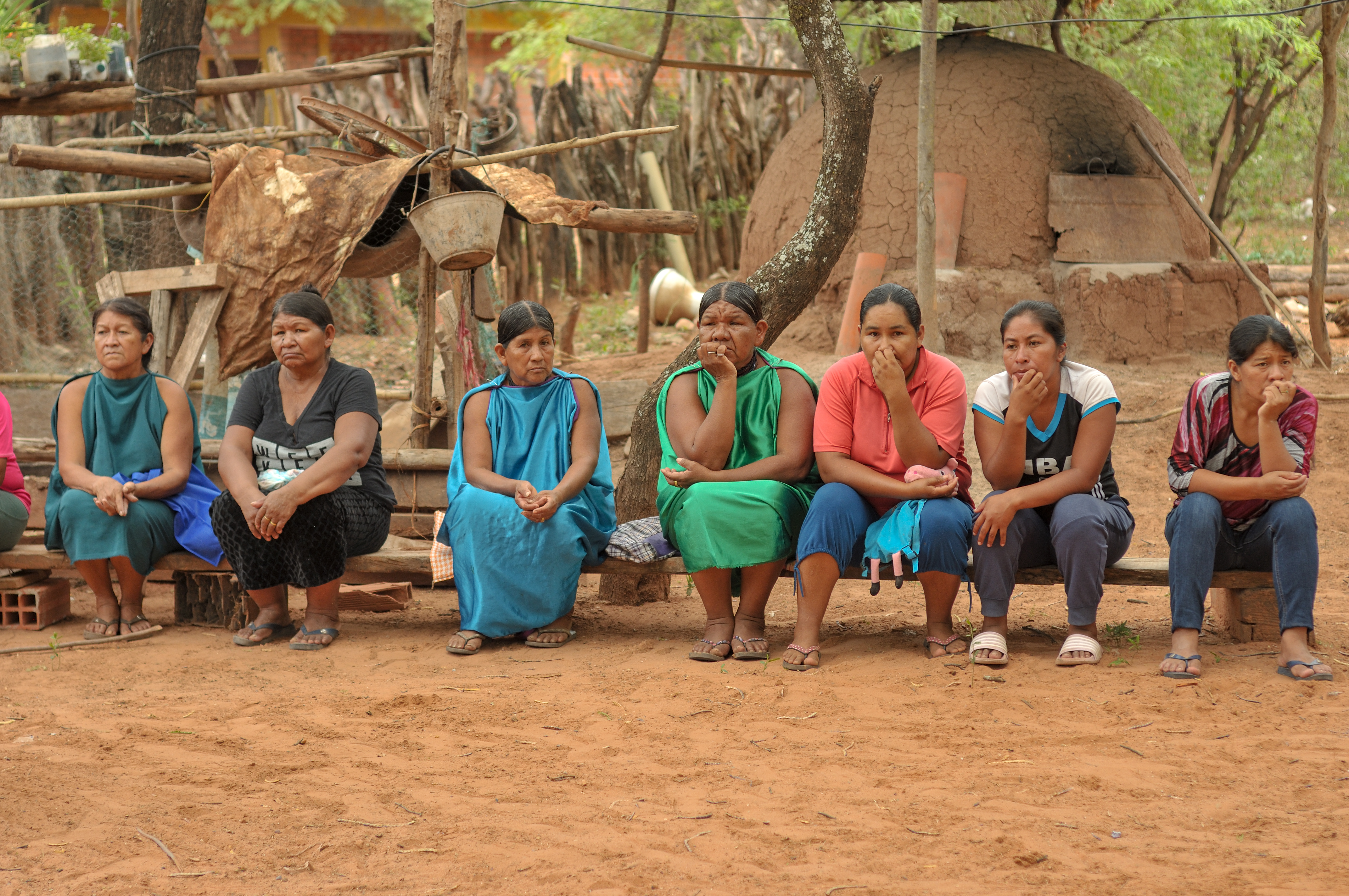
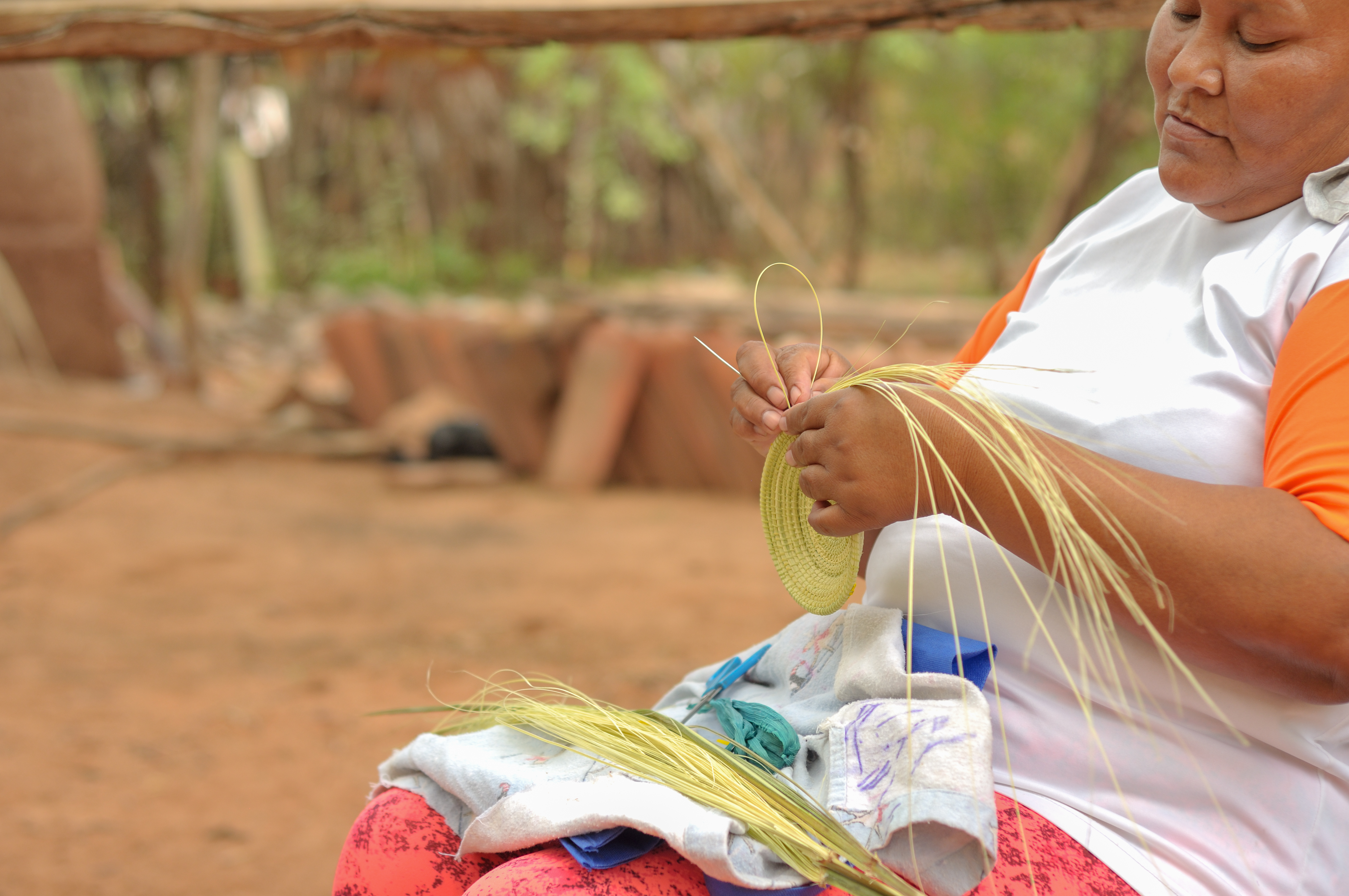
The Guaraní are the third-largest Indigenous nation among the 36 recognized within the Plurinational State of Bolivia. Closely linked to their natural environment, they rely on traditional livelihoods such as fishing, rain-fed agriculture, honey collection, livestock rearing, and artisanal handicraft production—particularly the weaving of Karandai (palm leaves), an activity primarily led by women.
Communities in the Guarani Indigenous Territory of Itika Guasú face increasing climate-related vulnerabilities, including prolonged droughts, intense rainfall, floods, and landslides, which severely impact livelihoods. Environmental degradation from mining and hydrocarbon extraction further exacerbates these challenges.
Compounded by declining employment and the impacts of COVID-19, these challenges have reduced job opportunities in agriculture and fishing. In this context, traditional handicrafts have emerged as a key source of income and empowerment for Guaraní women. Recognizing this potential, WFP and partners launched an initiative to enhance production quality, improve market access, and build digital skills, contributing to income generation, economic resilience, and food security.
Towards a Solution
Since 2023, the Bolivian Space Agency (ABE), under the Ministry of Public Works, Services and Housing, in collaboration with WFP, Manq’a Sostenible, and China’s Ministry of Agriculture and Rural Affairs (MARA), has implemented an initiative to strengthen the economic resilience of Guaraní women artisans in the Indigenous Territory of Itika Guasu. The project supports their entry into physical and digital markets—particularly those involved in the traditional weaving of Karandai (palm leaves)—while addressing the growing challenges of climate change, environmental degradation, and post-pandemic recovery. It contributes to SDGs 1, 2, 5, 9, and 17 by promoting income generation, food security, and digital inclusion.
Implemented through a South-South and Triangular Cooperation (SSTC) framework, the initiative draws on China’s successful experience in rural e-commerce and adapts it to the Bolivian context to empower Indigenous women. The collaboration supports capacity-building, digital innovation, and cooperative strengthening, aligning traditional practices with modern tools to improve economic opportunities.
A core component of the initiative was the expansion of digital connectivity. Community Wi-Fi was installed in remote Guaraní areas, enabling artisans to access online training, market platforms, and digital communication tools for the first time. This connectivity laid the groundwork for a broader digital inclusion strategy.
Through a structured training and technical assistance programme, artisans learned production cost management, pricing, digital marketing, and product development. Practical tools such as cost models, catalogues, and planning templates were shared to support long-term sustainability. High-quality multimedia content, including videos and photography, was developed to promote products online and enhance visibility on social media and e-commerce platforms.
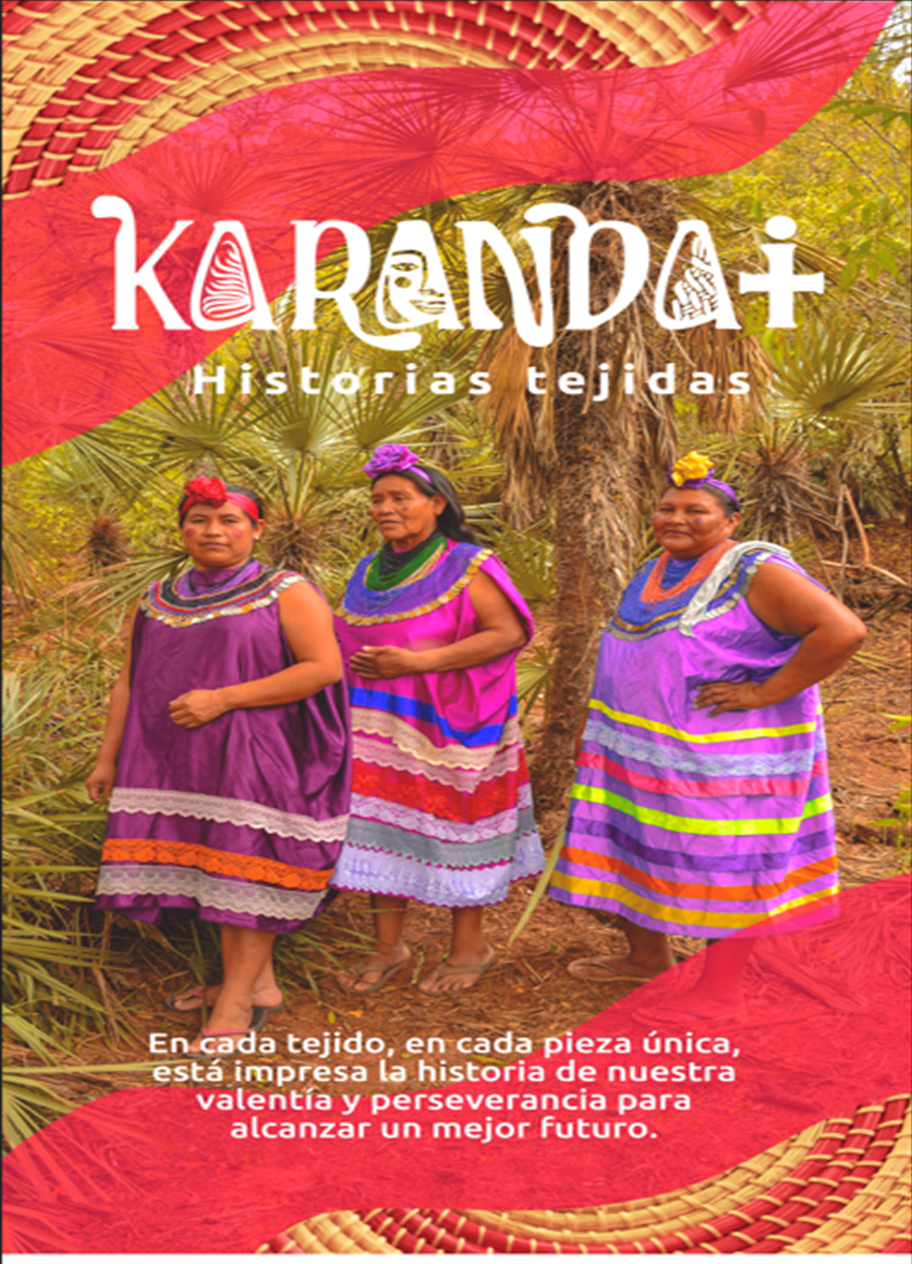
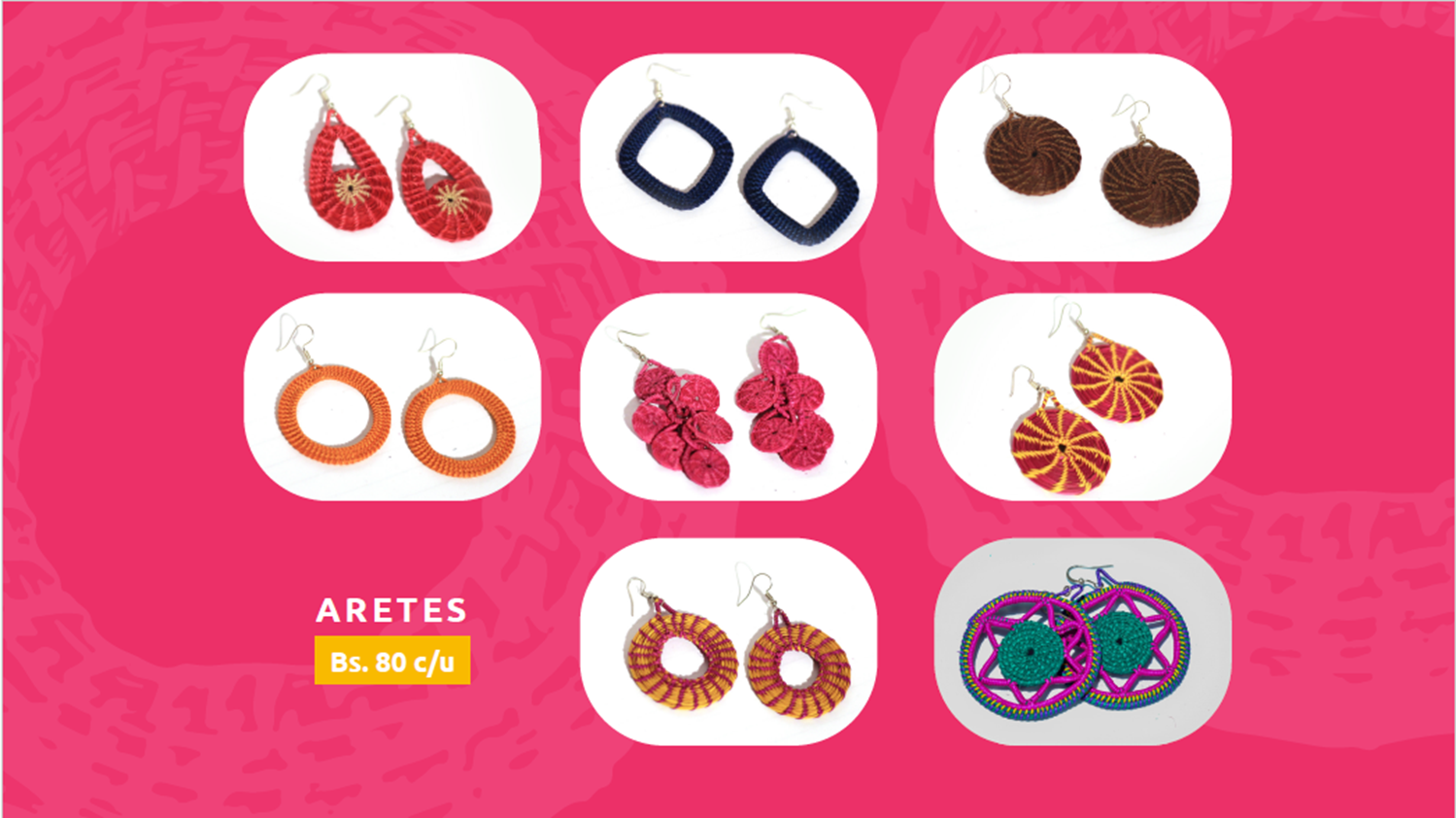
One of the most notable achievements of the project has been the creation and launch of the KARANDAI brand. Co-designed with Guaraní communities and supported by design experts, the brand gives a unified identity to palm-based crafts. It has been successfully introduced into retail outlets and online marketplaces in La Paz, offering artisans greater exposure and professionalization. This marks a key step in integrating Indigenous products into national and global markets.
To ensure market relevance, a market access assessment was conducted to identify key sales channels and provide recommendations on packaging, labeling, and product presentation. Artisans were trained to manage both physical and virtual sales, enhancing their ability to navigate logistics and customer engagement. A webinar led by a Chinese expert further enriched the learning process by sharing concrete examples from China’s rural e-commerce development.
The participatory nature of the project was key to its success. Artisans were directly involved in the design and implementation of activities, ensuring cultural relevance and community ownership. Institutional partners contributed through policy alignment, technical support, and coordinated planning, fostering a supportive environment for lasting impact.
The initiative demonstrates how traditional knowledge can be integrated with digital tools to bridge cultural heritage and economic development. The model is both replicable and scalable, particularly for other Indigenous or remote communities, provided there is basic internet infrastructure, inclusive training, and a strong branding approach.
As a result, the project has improved the visibility and competitiveness of Guaraní crafts, increased women’s economic participation, and laid the foundation for inclusive digital transformation. It serves as a model of how technology and South-South cooperation can create tangible development impact and build resilience in vulnerable communities.
A key takeaway from the collaboration with China is that strong government support and institutional coordination are essential for a successful transition to digital commerce in the agricultural and artisanal sectors. Based on China\'s experience, legal frameworks and ongoing training are also critical to long-term sustainability.
Support from Bolivia’s central government has been instrumental. Congresswoman Darlen Isabel Velasco Torrez—the first national representative of the Guaraní people and delegate from Entre Ríos—has played a key role in advocating for the project. She continues to champion efforts to institutionalize the initiative through national policies and regulations that ensure its sustainability.
Looking ahead, the project aims to amplify the visibility of local artisans\' products through targeted social media campaigns and promotional activities. These efforts will continue to connect Guaraní artisans with broader markets, strengthen economic resilience, and foster inclusive development.
Key Lesson Learned:
The SSTC project illustrates that innovative approaches combining technology, cultural preservation, and international cooperation can significantly enhance Indigenous peoples\' productivity, market access, and long-term social and economic resilience.

Contact Information
Alessandro Valori (Head of Programme, WFP Bolivia)
Countries involved
Bolivia (Plurinational State of), China
Nominated By
WFP Centre of Excellence Against Hunger
Supported By
Administration and Management Institute (AMI) of the Ministry of Agriculture and Rural Affairs of the People’s Republic of China (MARA), WFP Centre of Excellence of the People’s Republic of China, Bolivian Space Agency (ABE), Bolivia, Manq’a Sostenible.
Implementing Entities
Administration and Management Institute (AMI) of the Ministry of Agriculture and Rural Affairs of the People\\'s Republic of China (MARA), WFP Centre of Excellence of the People\\'s Republic of China, Foundation Manq’a Sostenible (social entrepreneurship), The Bolivian Space Agency (ABE), WFP Bolivia country office.
Project Status
Completed
Project Period
1/2023
Sectors
Agriculture, Food and Rural Development, Commerce, Gender Equality and Empowerment of Women, Development Cooperation, Capacity Building, Digital Transformation
Primary SDG
02 - Zero Hunger
Secondary SDGs
01 - No Poverty, 05 - Gender Equality, 09 - Industry, Innovation and Infrastructure, 17 - Partnerships for the Goals
Primary SDG Targets
1.4 2.3Similar Solutions