Landlocked Developing Countries (LLDCs) face persistent structural challenges that limit their integration into the global economy. Without direct access to seaports, they rely heavily on transit through neighboring countries, leading to higher trade costs, delays, and dependency on external infrastructure. These barriers compound existing development constraints, contributing to slower economic growth and greater vulnerability to shocks. As the international community prepares for the Third United Nations Conference on LLDCs (LLDC3) in Awaza, Turkmenistan, it is increasingly clear that addressing the unique needs of LLDCs requires innovative and inclusive partnerships.
South-South and triangular cooperation offer powerful mechanisms to complement traditional development assistance and help LLDCs overcome these obstacles. Through shared experiences, technical cooperation, and regional integration, countries of the Global South are collectively addressing common challenges – such as infrastructure gaps, trade facilitation, and digital connectivity. Triangular cooperation, involving the support of a third partner such as a multilateral organization or developing country partner, further enhances these efforts by leveraging additional resources, expertise, and coordination. These modalities foster mutual benefit and solidarity, while enabling more context-relevant and cost-effective solutions.
The upcoming LLDC3 conference presents a critical opportunity to elevate the role of South-South and triangular cooperation in advancing the sustainable development of LLDCs. With its theme of “Driving Progress through Partnerships,” LLDC3 will serve as a platform to forge stronger collaboration across governments, regional bodies, the UN system, and other stakeholders. Emphasizing these modalities in the new Awaza Programme of Action will be essential for accelerating the transformation of LLDC economies, promoting resilience, and ensuring no country is left behind in achieving the 2030 Agenda, and other internationally agreed development goals.
UNOSSC Engagement during LLDC3
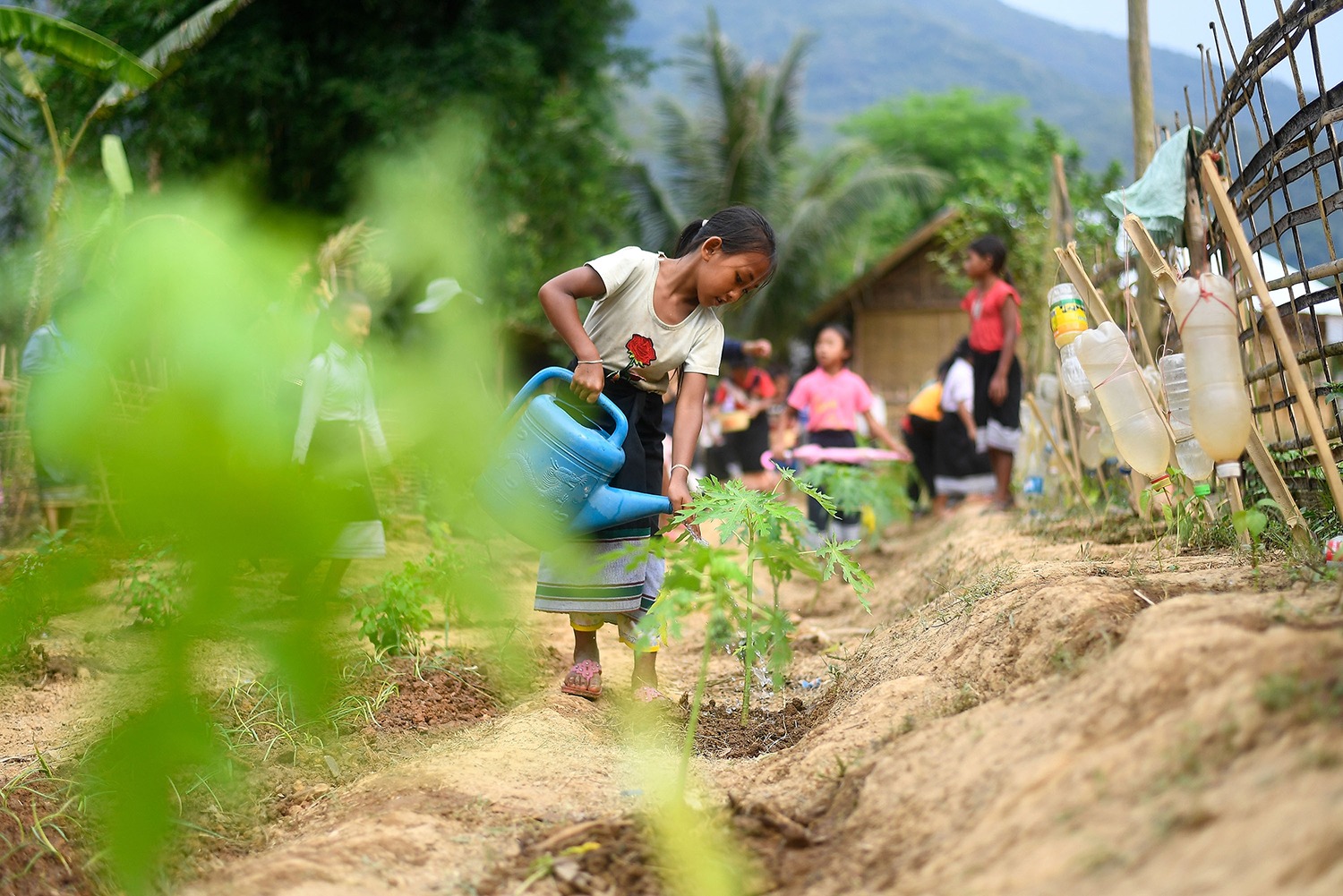
South-South and Triangular Cooperation Case Studies in Support of the Awaza Landlocked Developing Countries Programme of Action 2024-2034
In preparation for the Third United Nations High-level Conference on Landlocked Developing Countries (LLDC3), the United Nations Office for South-South Cooperation will co-organise a Ministerial Dialogue on South-South Cooperation with the United Nations Office of the High-level Representative for Least Developed Countries, Landlocked Developing Countries and Small Island Developing States (OHRLLS). In line with this collaboration, UNOSSC has prepared five case studies, drawn from Africa (Rwanda and Ethiopia), Asia-Pacific (Lao PDR and Tajikistan) and Latin America (Paraguay). The case studies are focused on how South-South and triangular cooperation have been mobilised across the five thematic areas of the Azaza Program of Action (PoA) for LLDCs with a view to demonstrate how these modalities can help to address the challenges of landlocked countries. The case studies are part of the background documents of the LLDC3.