Accelerating Post COVID-19 Economic Recovery through Improved Livelihood, Employability, and Regional Cooperation in Ferghana Valley, Tajikistan
Strengthening livelihoods and cross-border cooperation for inclusive and resilient post-COVID recovery in northern Tajikistan
Challenges
The project addressed the acute socio-economic challenges faced by communities in the northern part of the Sughd region of Tajikistan following the COVID-19 pandemic. The Ferghana Valley, a densely populated and historically sensitive cross-border area shared with Kyrgyzstan and Uzbekistan, experienced heightened risks of unemployment, returnee reintegration, and social exclusion. Particularly affected were youth, women, returned migrants, and SMEs, who faced limited job opportunities, weak digital infrastructure, and under-resourced vocational training institutions. The pandemic deepened these challenges, disrupting value chains, reducing remittance inflows, and exacerbating regional inequalities. The project recognized that recovery would require a multi-faceted approach to employment generation, skills development, SME support, and regional cooperation. Tackling these challenges was critical for achieving SDGs related to decent work, economic inclusion, innovation, and cross-border collaboration.
Towards a Solution
To catalyze economic recovery and foster resilience in the Tajik part of the Ferghana Valley, the initiative adopted a comprehensive approach that prioritized inclusive employment, digital innovation, and regional cooperation. With a focus on SDG 8 (Decent Work and Economic Growth), the project also contributed to SDG 9 (Industry, Innovation and Infrastructure), SDG 10 (Reduced Inequalities), and SDG 17 (Partnerships for the Goals). It targeted rural districts in Sughd province, bordering Kyrgyzstan and Uzbekistan, addressing challenges exacerbated by the pandemic.
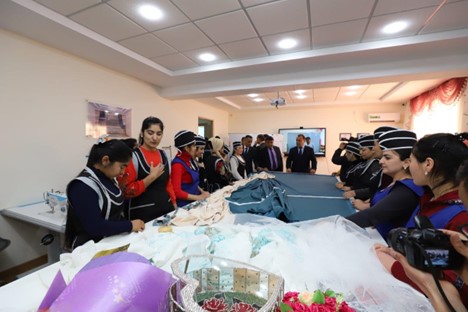
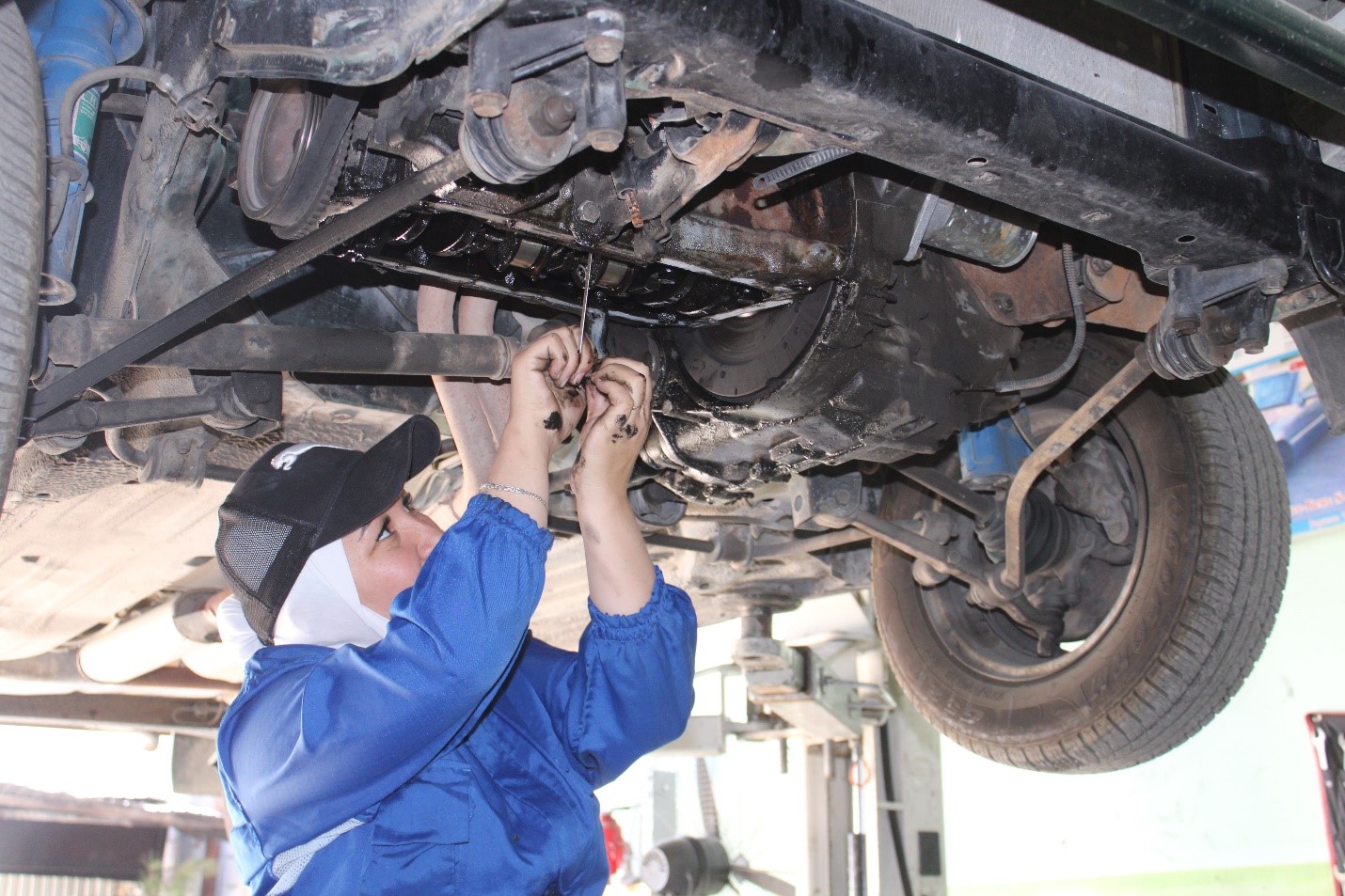
The project aimed to equip populations in vulnerable situations – particularly youth, women, returned migrants, and SMEs – with the tools, skills, and opportunities necessary for sustainable livelihoods. To do so, educational modules for eight technical professions were localized in Tajik and integrated into the curriculum with formal endorsement by the Ministry of Labour, Migration and Employment. Twelve vocational institutions received advanced technical equipment, improving the quality of education for 2,286 students in trades such as sewing, welding, electrical installation, and veterinary science.
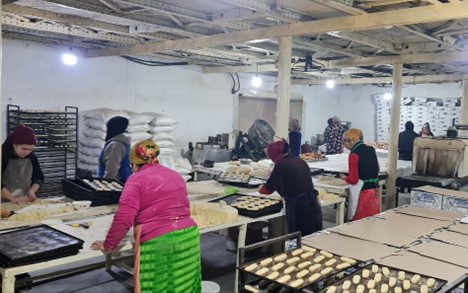
An emphasis on entrepreneurship and access to finance played a central role. Through affordable credit schemes, six new loan products totaling 1,950,000 TJS (~$180,000) were disbursed to SMEs at favorable interest rates. Simultaneously, 20 vocational graduates received start-up mini-grants and equipment through competitive pitching, generating 46 new jobs. Another 200 jobs were created via support to production modernization in ten economic initiatives and provision of tools to vocational graduates. Priority sectors included confectionery, electrical wire manufacturing, and furniture production – industries with strong market demand and regional value chain potential.
The project successfully integrated digital innovation by supporting four digital platforms – including job search, volunteer coordination, and educational portals – enhancing employability and public-private engagement. Local value chains in dried fruits, leather products, and confectionery benefitted from automation and e-commerce solutions. A hackathon involving 90 participants and a regional start-up competition encouraged youth innovation, fostering transboundary entrepreneurial collaboration.
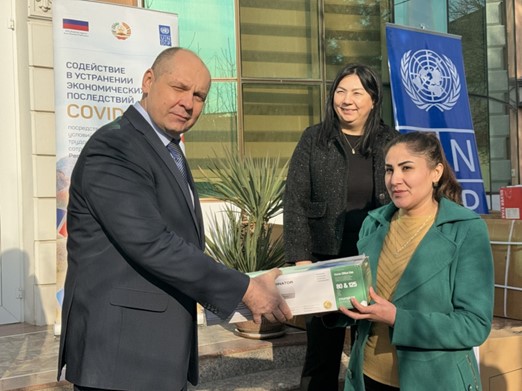
The process was participatory and inclusive, engaging a wide spectrum of stakeholders: local governments, educational institutions, civil society, private sector actors, and international partners. Capacity-building workshops reached nearly 700 young producers, and 75 cooperation agreements were signed during the \"Sughd 2023\" international trade fair. Collaboration with Russian partners extended both knowledge exchange and export potential, including expert support during the hackathon and participation in the PRODEXPO-2023 food exhibition in Moscow, where Tajik companies held over 30 business negotiations each.
Cross-country cooperation was embedded throughout. The initiative was coordinated with UNDP country offices in Kyrgyzstan and Uzbekistan, and activities like the “Choikhona Cup” startup forum involved young entrepreneurs from both Uzbekistan and Tajikistan, creating an environment of South-South exchange. This cross-border engagement fostered regional integration and knowledge sharing, especially valuable in mitigating post-COVID development disparities.
The initiative was innovative in its combination of grassroots empowerment with systemic support—introducing localized digital tools, promoting tech-savvy entrepreneurship, and modernizing vocational training. Its integrated model of education, finance, and trade readiness enhanced the competitive advantage of local SMEs and increased employment prospects for young people.
Sustainability was a core consideration. Institutional uptake of the new curricula, the provision of modern equipment, and the establishment of digital infrastructure have laid foundations for continued benefit. Moreover, policy-level cooperation – reflected in numerous MoUs and national participation – reinforced the likelihood of long-term impact. The initiative strengthened the economic and social fabric of border communities, reducing the risks of exclusion and instability.
Replicability is promising given the project’s adaptable model. Conditions for success include strong stakeholder ownership, regional coordination, and investment in both human capital and infrastructure. Similar border regions or post-crisis contexts could benefit from this approach, especially where economic vulnerability intersects with political sensitivity.

Contact Information
Mr. Nikolai Komarkov, Third Secretary, Permanent Mission of the Russian Federation to the UN
Countries involved
Tajikistan
Nominated By
Permanent Mission of the Russian Federation to the United Nations
Supported By
Government of the Russian Federation
Implementing Entities
UNDP Tajikistan in partnership with the Ministry of Labour, Migration and Employment of the Republic of Tajikistan, local NGOs, educational institutions, and civil society organizations
Project Status
Completed
Project Period
1/2021 - 5/2025
Sectors
Agriculture, Food and Rural Development, Education, Gender Equality and Empowerment of Women, Labour, Youth, Capacity Building
URL of the practice
https://www.undp.org/tajikistan/projects/accelerating-post-covid-19-economic-recovery-through-improved-livelihood-employability-and-regional-cooperation-ferghana-valleyPrimary SDG
08 - Decent Work and Economic Growth
Secondary SDGs
09 - Industry, Innovation and Infrastructure, 10 - Reduced Inequalities, 17 - Partnerships for the Goals
Primary SDG Targets
8.3 8.5 8.6 8.9Similar Solutions