Protecting Informal Settlement Residents from Devastating Fires
Enhancing fire resilience in informal settlements to protect lives and build a safer world for over 1 billion people

Challenges
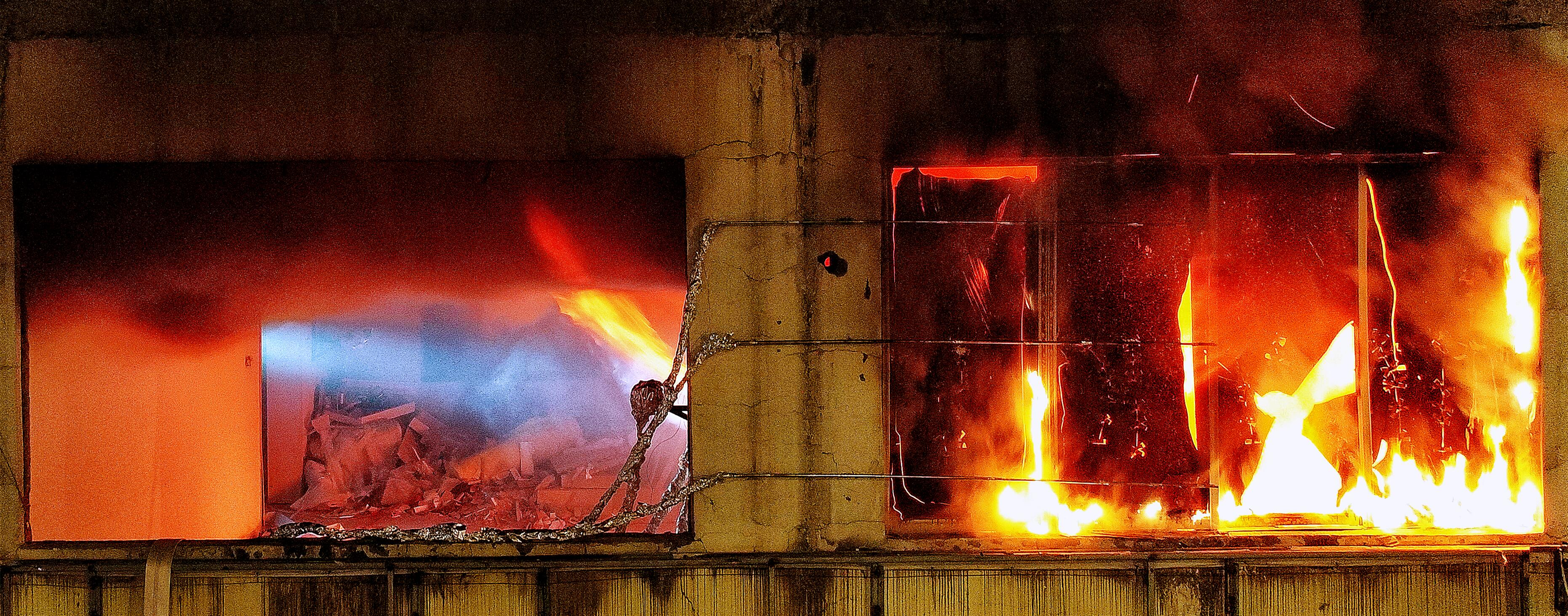
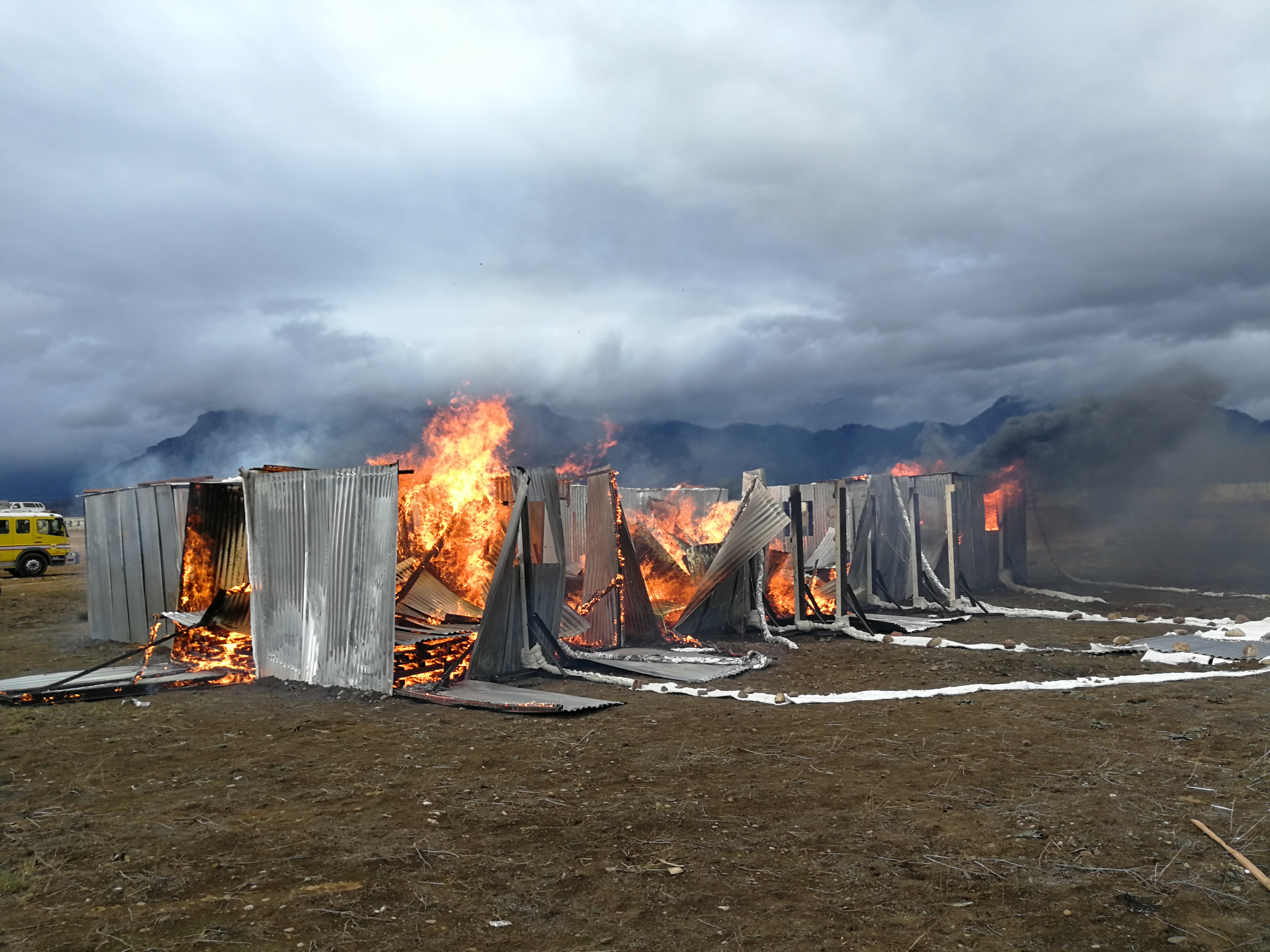
Over one billion people across the globe live in informal shack settlements, and this number is ever increasing as urbanization increases. Many of these informal settlements are at constant risk of lethal and large-scale fires, due to flammable construction materials, heating and cooking methods, proximity of the shacks, and a lack of effective fire services, amongst other factors. For occupants of these informal settlements, death and injury from fire constitute 'a serious public health problem'; 96% of the world's burn-related deaths (about 300,000 deaths annually) occur in lower- and middle-income countries.
These projects address the global fire safety issue caused by property, ensuring the safety of the residents living in shacks, refugee camps and urban villages etc. They contribute directly to achieving SDG 1 – No Poverty and SDG 11 – Sustainable Cities and Communities.
Towards a Solution
Enhancing Fire Safety in Informal Settlements through Triangular Cooperation
Informal settlements around the world—including shacks in South Africa and urban villages in China—house over a billion people and remain especially vulnerable to catastrophic fires. These environments are often characterized by high population density, flammable construction materials, inadequate infrastructure, and limited emergency response access. Fires in these contexts pose severe risks to life, property, and long-term development, creating critical barriers to achieving Sustainable Development Goals (SDGs), particularly SDG 1 – No Poverty, SDG 11 – Sustainable Cities and Communities, and SDG 13 – Climate Action.
First, to tackle the issues of fire safety in informal settlements, there needs to be an integrated and holistic approach to urban planning. The surveys and interviews conducted with inhabitant through to state officials show that there is a disconnect in this process for these areas. As colleagues say, fires are as much a physical issue as they are a social and political one.
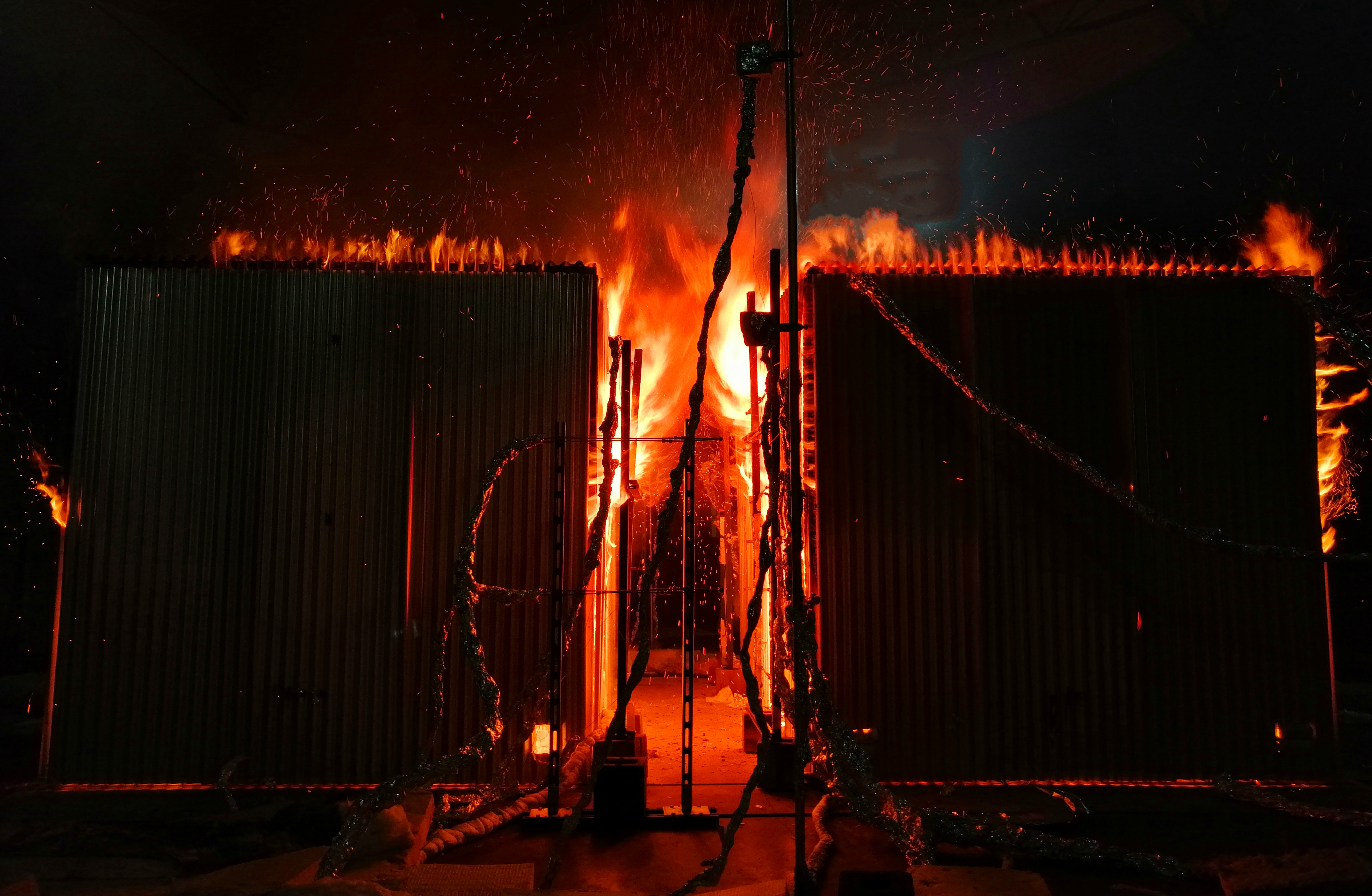
Second, we have discovered more about the science of how fires spread in informal settlements, and how the common knowledge that we have within fire science may not be fully appropriate for informal settlement dwellings. This is due to the different structural forms and materials of construction between homes in the global north (where most of fire science has been developed so far) and the global south. Through the understanding of the fire science in these specific dwellings, we have started to think about novel fire safety solutions which we are starting to build evidence for through more experimentation and modelling efforts. The experimental and modelling work has provided a large database to validate and benchmark further research off of as well.
Third, new spatial analysis techniques were deveoped developed, through the project which are being further developed within other research projects. These techniques are being used to highlight where areas of high fire spread risk are within informal settlements, which if used in conjunction with the above, would allow for evidenced-based participatory planning and upgrading to occur within these settlements. World Bank have requested input into reviewing and contributing towards some of their publications. Relevant work has been included in the Global Assessment Report 2019.
In these projects, around 20 international journal papers were published on the topic of informal settlement fires. More than 20 invited presentations were delivered in South Africa, Kenya, Malaysia, Brazil, China, Japan, UK and USA, giving very positive influence of this global critical issue. A series of awards, such as Best Image and Best Poster Awards of the International Association for Fire Safety Science (IAFSS), the Sheldon Tieszen Award of IAFSS, the Harry C. Bigglestone Award, and the Editor’s Choice Paper Award of the Fire Technology journal, and the Excellent Paper Award of the China Public Safety Conference were obtained. Among the most notable are the “SFPE 5 Under 35 Award” and the Anhui Youth May Fourth Medal to Prof Yu Wang.
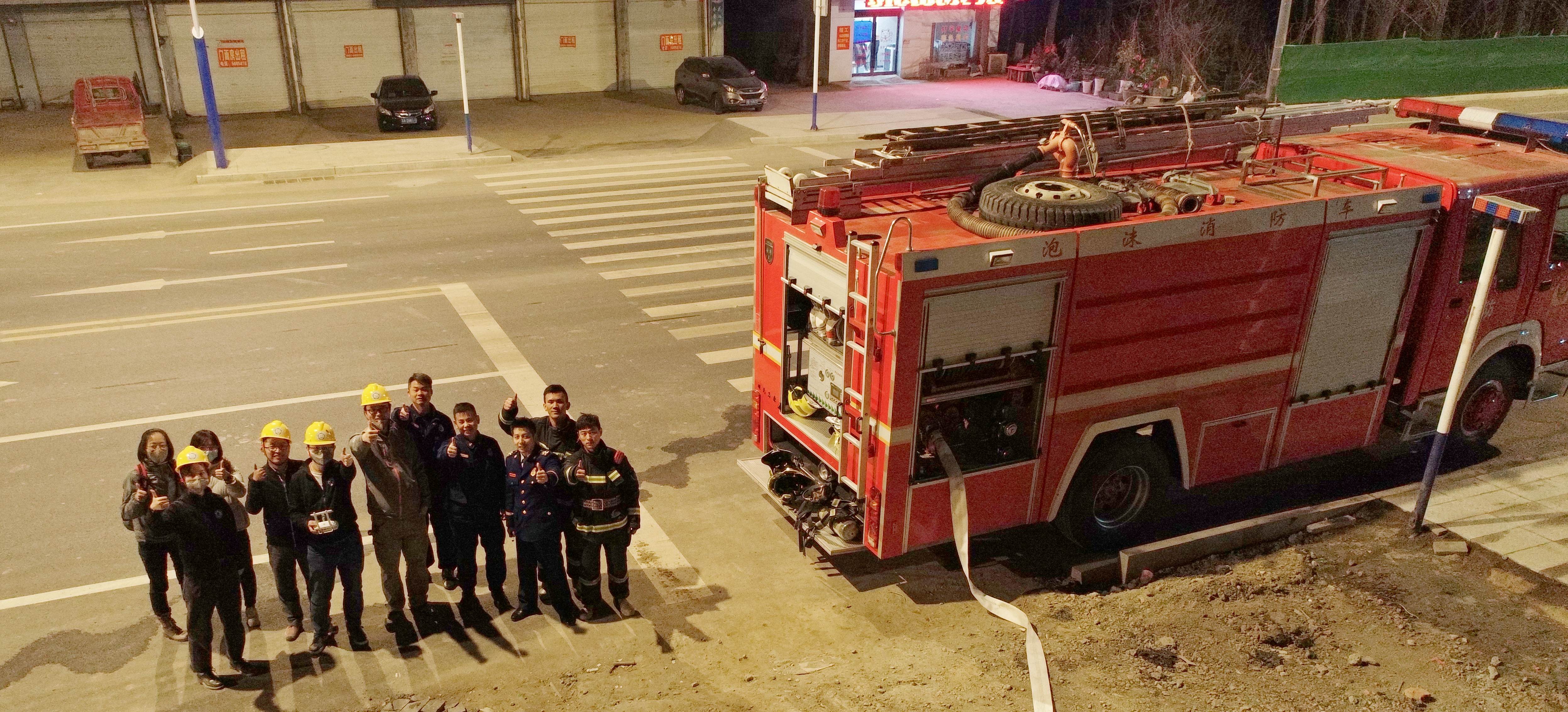
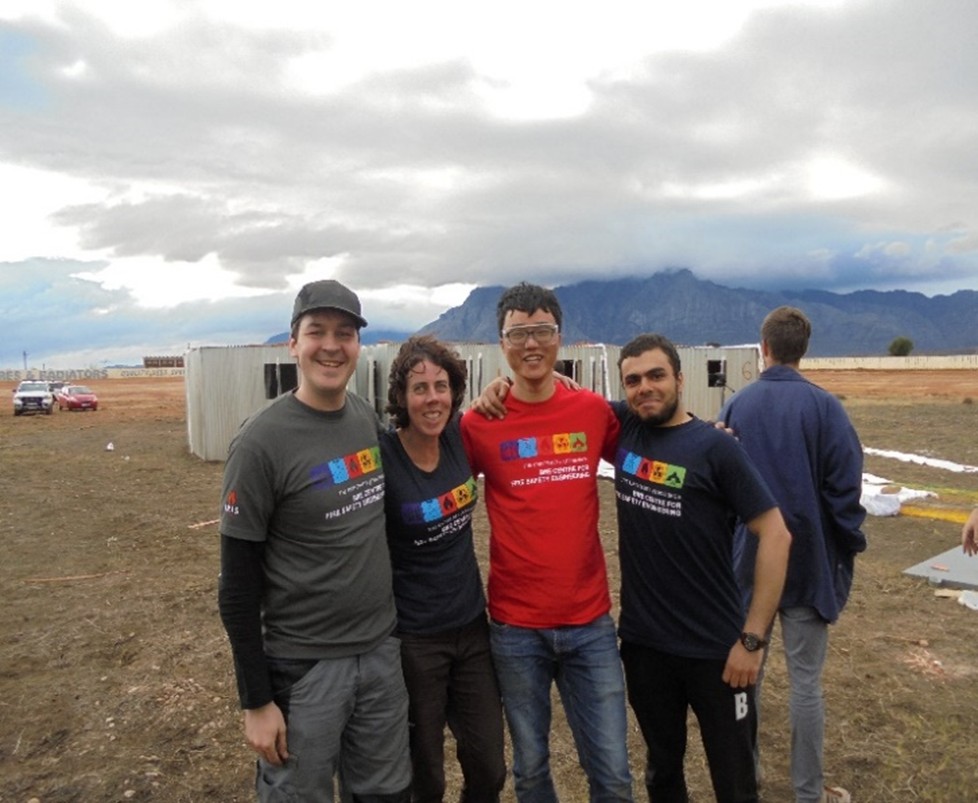
Prof Yu Wang from University of Science and Technology of China and Dr. David Rush, from the University of Edinburgh, have been awarded the Chinese Academy of Sciences (CAS) International Partnership Award for Young Scientists. This prestigious award is granted annually by the CAS and is typically conferred upon no more than three pairs of international partners under the age of 45, in recognition of outstanding collaborative achievements in informal settlement fire safety research and fire safety education.
Contact Information
Yu Wang, Professor, University of Science and Technology of China
Countries involved
China, South Africa, United Kingdom of Great Britain and Northern Ireland
Nominated By
University of Science and Technology of China
Supported By
Chinese Academy of Sciences, China; Engineering and Physical Sciences Research Council, UK; USTC Research Funds of the Double First-Class Initiative, China
Implementing Entities
University of Science and Technology of China, China; University of Edinburgh, UK; Stellenbosch University, South Africa
Project Status
Completed
Project Period
5/2017
Sectors
Disaster Risk Reduction, Education, Humanitarian Emergencies, Research, Sustainability and Environment
Primary SDG
11 - Sustainable Cities and Communities
Secondary SDGs
01 - No Poverty
Primary SDG Targets
11.5Similar Solutions