
Ho Chi Minh City, 27 August 2025 – Viet Nam has officially launched a pilot project to provide safe and sustainable water solutions for communities in the Mekong Delta facing severe salinity intrusion.
The initiative is part of the Triangular Cooperation Project on Sustainable Development in the Lower Mekong Basin – also known as the RoK–UNOSSC Facility (Phase 3) / P-LINK – led by the United Nations Office for South-South Cooperation (UNOSSC) in partnership with the Mekong River Commission (MRC), the Viet Nam National Mekong Committee (VNMC), the Vinh Long Provincial Government, the Science and Technology Policy Institute (STEPI), and the Mekong Institute (MI), with technology support from L2E Solution under the generous financial support of the Ministry of Science and ICT (MSIT) of the Republic of Korea.
The national pilot, entitled “Improvement of Livelihoods through the Application of the WEF Nexus Approach in the Mekong Delta of Viet Nam”, is located in Con Linh Island, Tan Hao Commune, Vinh Long Province. It introduces a solar-powered reverse osmosis desalination system to convert brackish water into potable water. Brine byproducts will also be reused for aquaculture, providing additional livelihood opportunities.
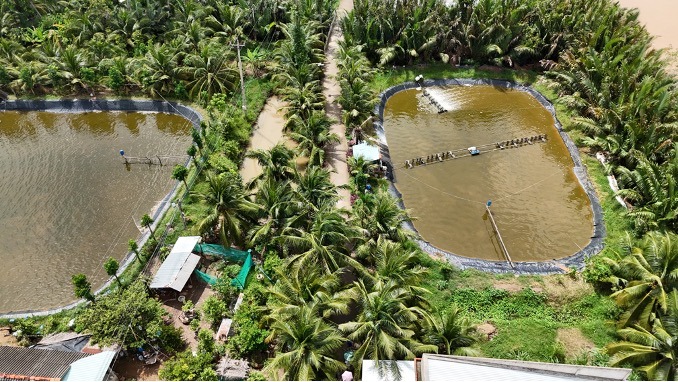
An aerial view of Con Linh community, where coconut and shrimp cultivation demonstrate both the community’s reliance on the river and their vulnerability to changing water conditions
A Collaborative Launch
The two-day launch began with a field assessment in Con Linh Island on August 26, where technical teams, local authorities, and community stakeholders refined installation plans, assessed power supply needs, and explored soundproofing options for the new facility to be installed at the local elementary school.
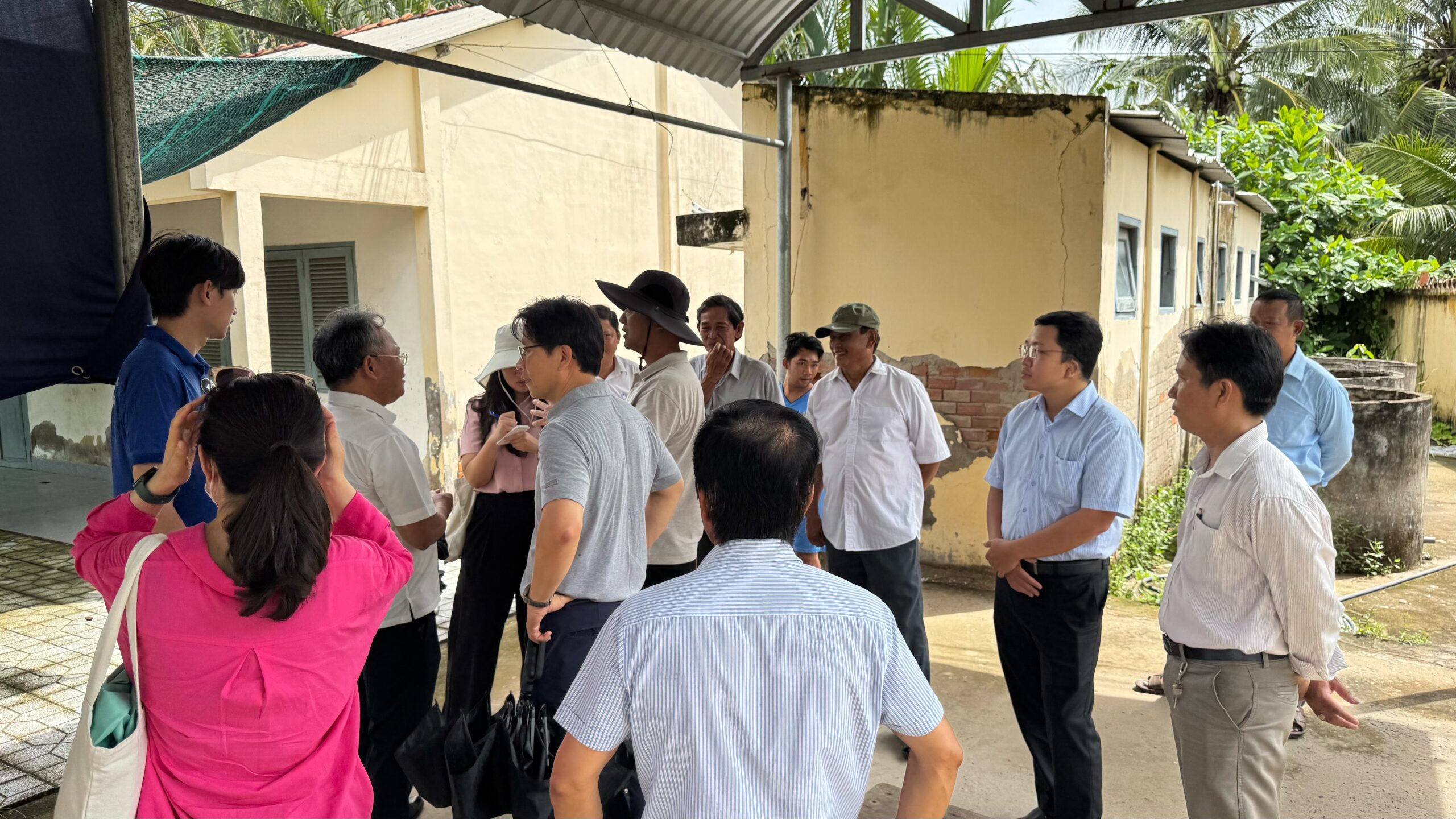

Project team and local partners conduct a field assessment at Con Linh Island to finalize installation plans for the new water treatment facility.
On August 27, an official ceremony in Ho Chi Minh City brought together national and local authorities, regional organizations, academia, and private sector partners to celebrate the launch and chart the way forward.
Voices of Commitment
Opening remarks underscored the urgency of addressing salinity intrusion and the shared commitment to ensuring the pilot’s success:
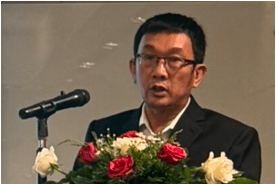
Mr. Bui Van Tham, Deputy Director, Department of Agriculture and Environment, Vinh Long Province, expressed gratitude for the province being selected and pledged timely implementation, coordination with partners, and replication of successful solutions across the province.
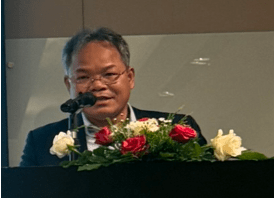
Dr. Truong Hong Tien, Deputy Director General of VNMC, emphasized the Mekong Delta’s vulnerability to salinity and recalled the consultations since 2022 that led to Con Linh’s selection. He stressed the importance of risk management, timely implementation, and sustainability through broad stakeholder contributions.

Ms. Busadee Santipitaks, CEO of MRCS, highlighted the regional dimension of the challenge and the pilot’s role in fostering resilience and cooperation.
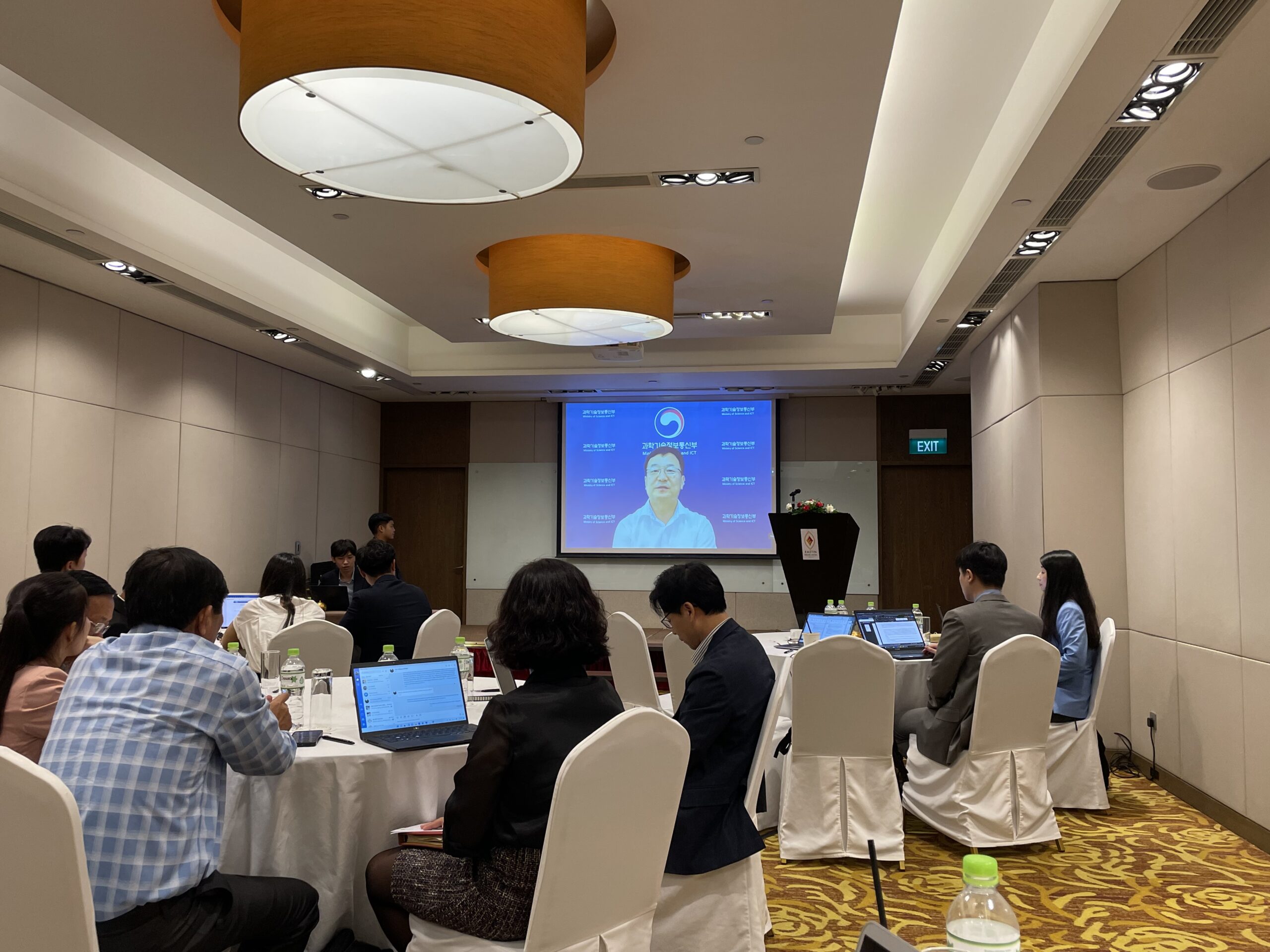
Mr. Sunghoon Hwang, Director-General of MSIT, reaffirmed the Republic of Korea’s long-term support and stressed the role of science, technology, and innovation in tackling interconnected water, energy, and food issues.
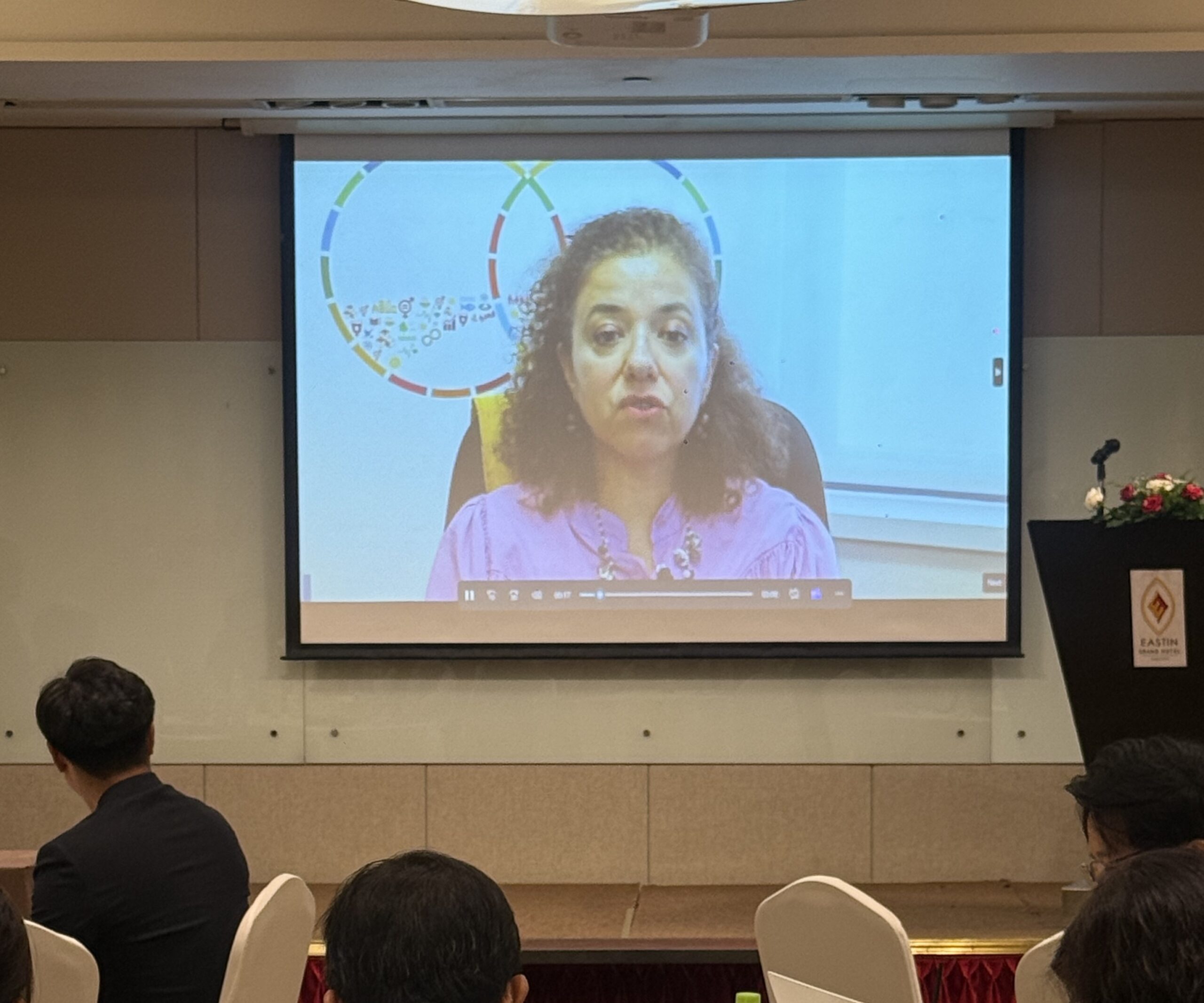
Ms. Dima Al-Khatib, UNOSSC Director, underlined that the launch demonstrates the essence of South-South and Triangular Cooperation: “The most impactful development solutions come when communities, governments, and partners work together as equals—learning from one another and co-creating responses that fit local contexts.”
Looking Ahead
The Viet Nam pilot is expected to:
- Provide clean water for households in Con Linh Island,
- Reuse brine for aquaculture to support livelihoods,
- Demonstrate scalable models for other salinity-affected communities in the Mekong Delta,
- Strengthen subregional cooperation through the Water–Energy–Food (WEF) Nexus and innovative solutions approach facilitated by South-South and triangular cooperation.
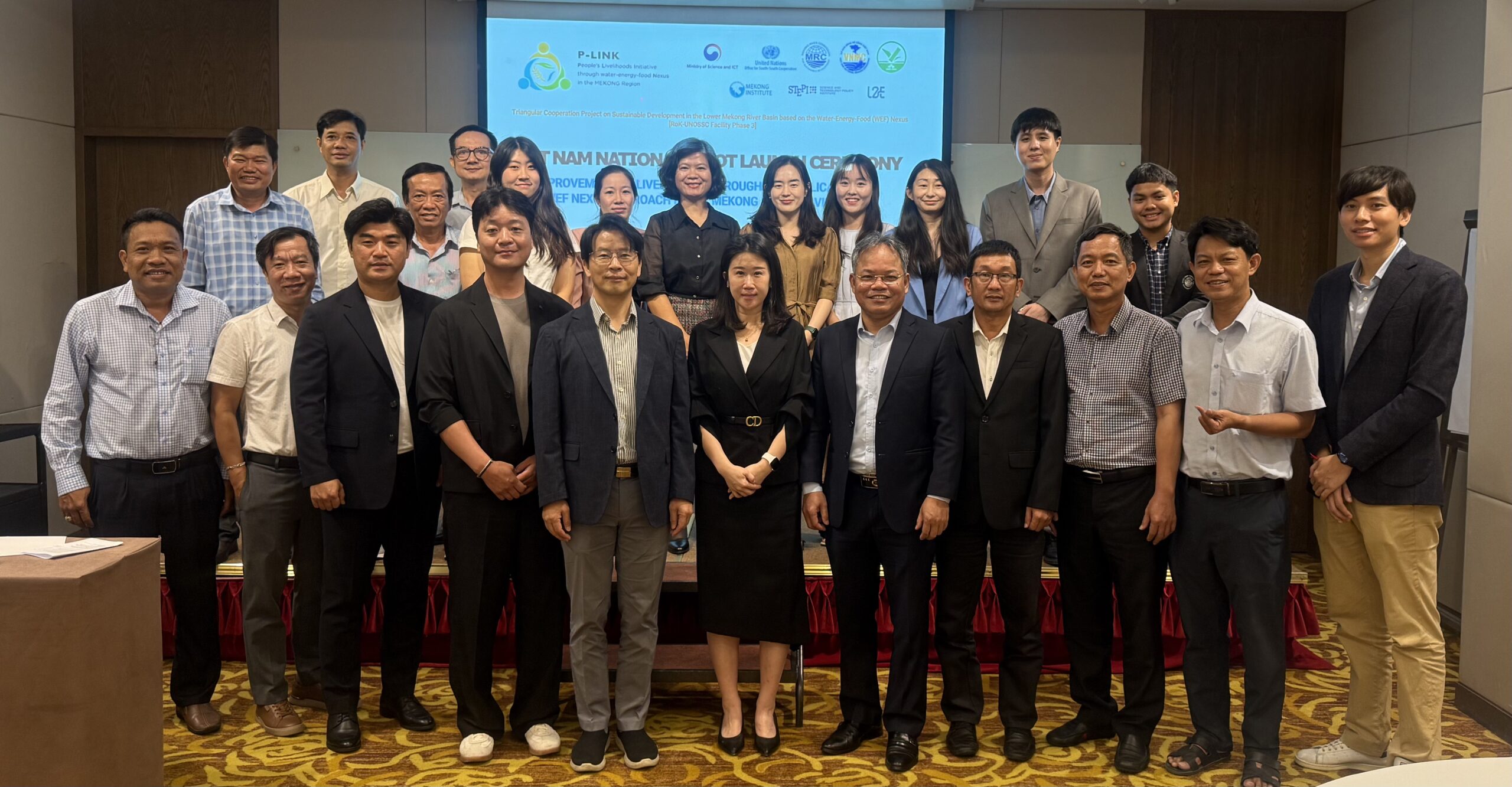
Participants of the Viet Nam Pilot Launch Ceremony gather for a group photo, marking a milestone in advancing sustainable solutions for the Mekong Delta
The launch marks not just the start of a technology demonstration, but a platform for scaling, replication, and stronger regional collaboration, reflecting Viet Nam’s leadership and the collective commitment of all partners.
———————————————————————————————————————————-
P-LINK (People’s Livelihoods Initiative through the WEF Nexus in the Mekong Region) also known as the ROK-UNOSSC Facility (Phase 3), is funded by the Republic of Korea’s Ministry of Science and ICT. It supports locally tailored technological solutions, regional collaboration, and policy dialogue in Cambodia, Lao PDR, Thailand, and Viet Nam.